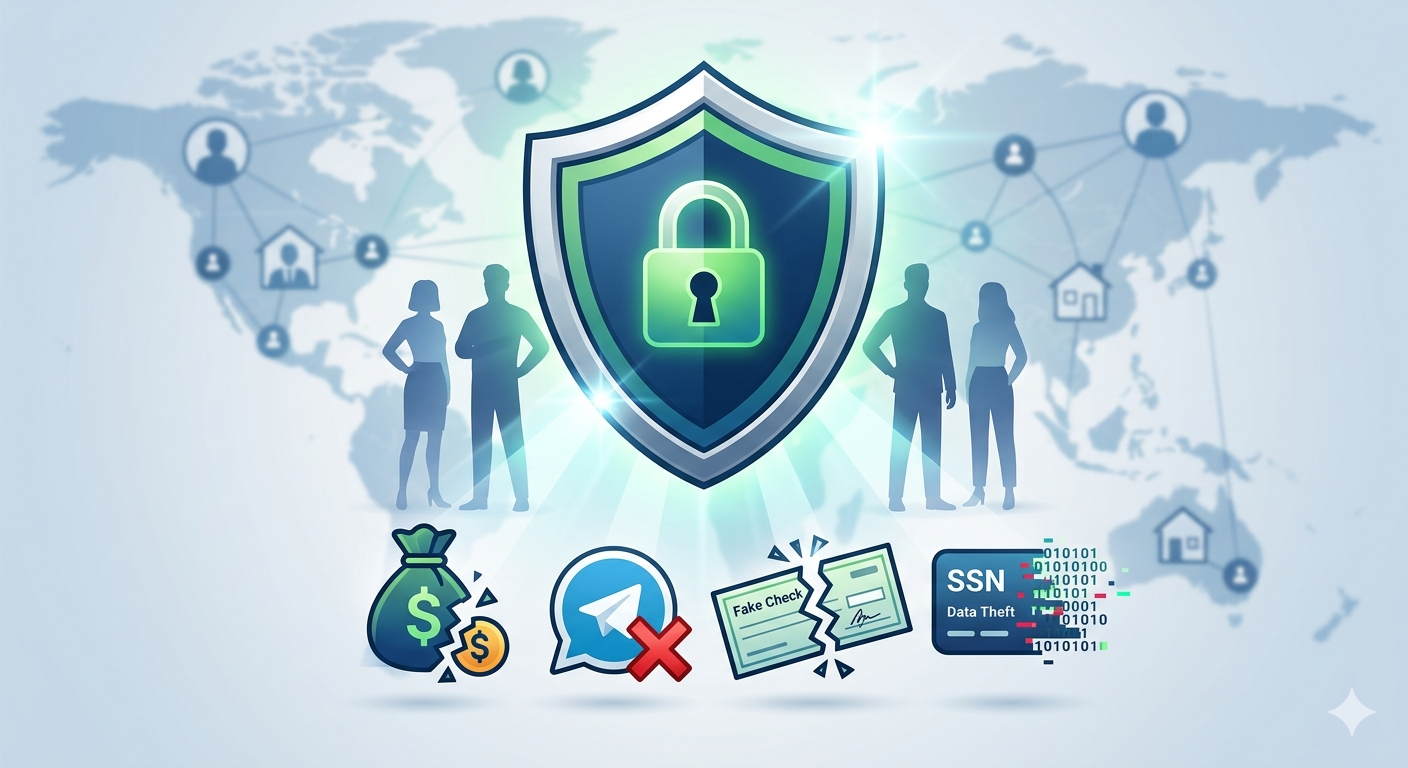
Scammers love the remote model because it perfectly mimics legitimate modern business practices. They hide behind anonymous messaging apps, utilize fake video backgrounds, and exploit the fact that many companies now hire, onboard, and manage teams entirely online.
They are not just looking for a "quick buck"; they are targeting your personal data: social security numbers, banking information, and dates of birth.
Here’s how you can protect yourself.
1. Trust, but Verify: Research the Company Thoroughly
A professional-looking website is easy to fake. You must dig deeper.
The Domain Check
If the job posting is for "Global Tech Inc.," check the email address the recruiter is using. A legitimate recruiter uses @globaltech.com. Be highly suspicious if they use a public domain (@gmail.com, @outlook.com) or a slight variation (@globaltech-hiring.com).
The Presence Check
Do they have a verified LinkedIn company page? Are there current employees listed? Check Glassdoor and Indeed reviews. While no company has 100% perfect reviews, a complete lack of a digital footprint is a massive red flag.
2. Analyze the Interview Process (Virtual Edition)
The interview is your best opportunity to vet the company.
No Video, No Go
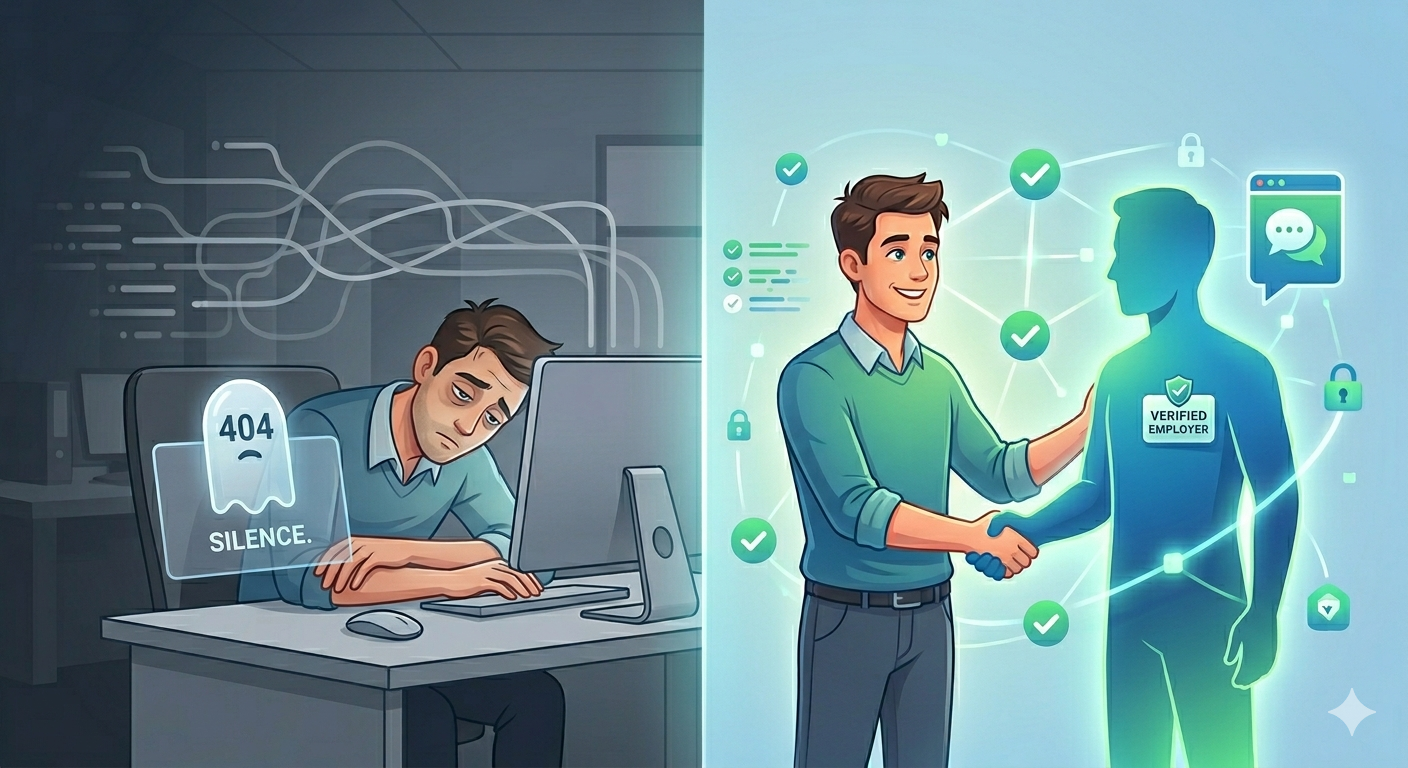
In 2026, there is no reason for a legitimate company not to conduct a video interview for a remote role. If an employer insists on a text-only interview via WhatsApp, Telegram, or Google Hangouts, walk away immediately. Scammers avoid video because it reveals their identity and location.
Professionalism Still Matters
A remote interview should be as rigorous as an in-person one. If the "interviewer" only asks two generic questions and offers you the job on the spot, it’s a scam. Legitimate companies take their hiring seriously.
3. The Big Red Flags: Money and Personal Info
The goal of almost every job scam is to get one of two things: your money or your data.
The "Equipment Check" Scam
This is the most common remote scam. They offer you the job and then tell you they are mailing you a check to buy your home office equipment (laptop, monitor, etc.) from their specific vendor. How it works: The check is fake. By the time your bank realizes it, you have already sent real money to the "vendor" (who is the scammer). The reality: Legitimate companies either ship you pre-configured equipment or have you buy it from a major retailer (like Best Buy) and reimburse you via their established payroll system after you are onboarded.
The Early Data Grab
Never provide your social security number, birth date, or banking details during the application or interview phase. This information is only required after you have received a formal, written offer letter and are beginning the secure onboarding process.